










Convenient
Get it at your preferred time and place

Reliable
You’d get good quality wheelie from us

Active
Just be active & alive
Welcome to Ecocana Sports, the leading mountain bike shop in Malaysia for premium mountain bike components. We specialize in carbon mountain bike components, electric full suspension bikes, and performance upgrades from brands like Magura, NOBL, and Onyx.

Blogs
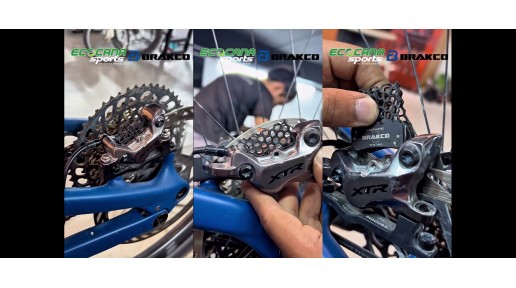
Brakco BPH43 Graphene Brake Pads: Cool Cooling Per..

儿童 MTB 教练课程:帮助年轻骑手自信征服陡坡..
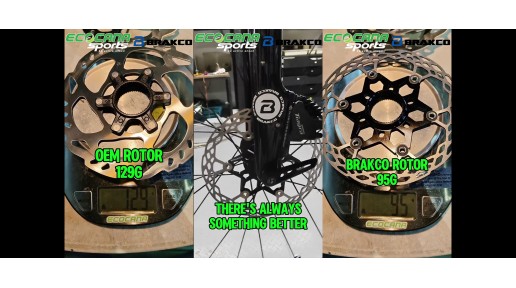
Lightweight Brake Rotors: Shed Grams Without Sacri..
定制山地车车架翻新:让老款 Specialized 山地车焕发新生..
Custom MTB Frame Restoration: Giving an Old Specia..
YT Jeffsy 24" Kids MTB Breakdown: High-Performance..
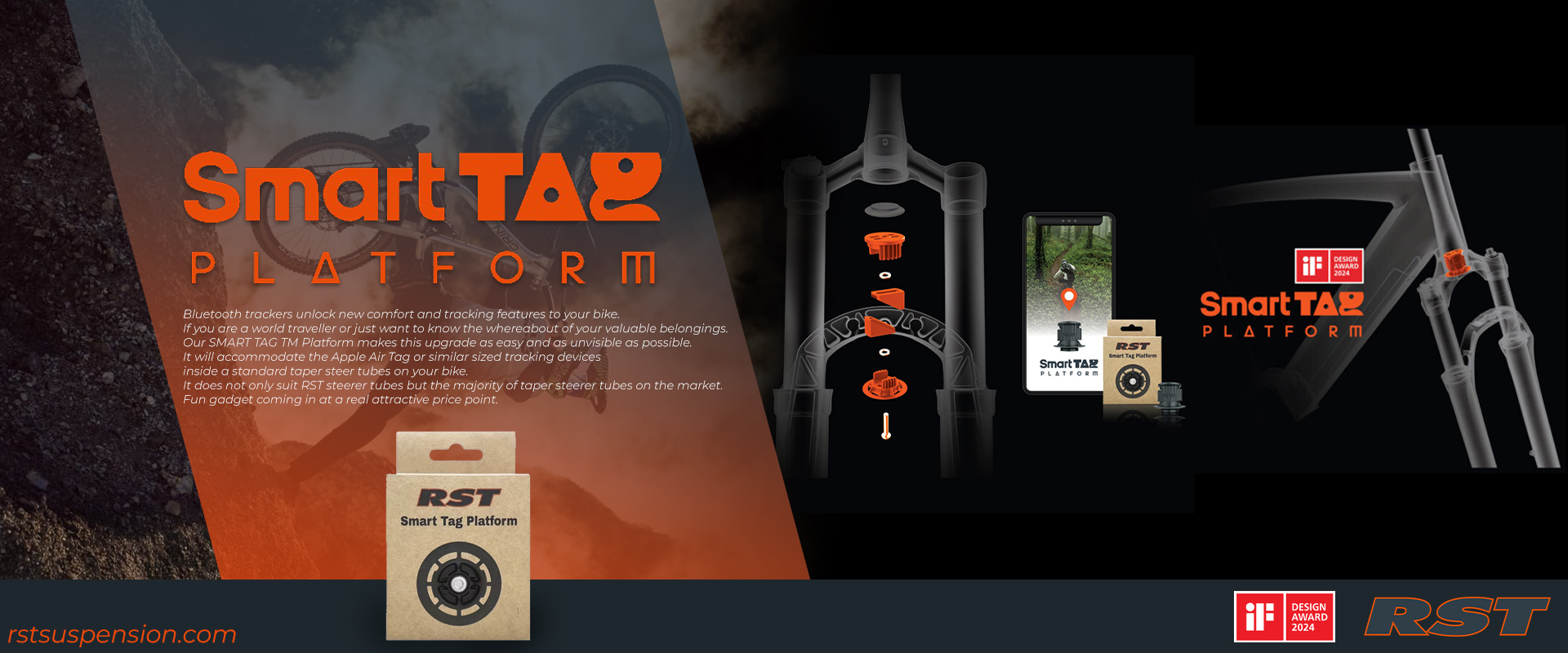
RST Magnet-Based Mass Damper: The Future of MTB Vi..

Junior MTB Progress: How Youth Mountain Bikers Bui..

How to Fix a Sidewall Cut: Why We Use Tannus Seala..
RST Shakes Up the Industry with a Magnet-Based Mass Damper Prototype
Vibration is the silent enemy of performance on the trail. Continuous high-frequency chatter from rocks, roots, and brake bumps leads directly to hand numbness, severe arm pump, and mental fatigue. While traditional mountain bike suspension forks excel at swallowing medium-to-large impacts, absorbing micro-vibrations before they travel through the handlebars and into your upper body remains a difficult challenge.
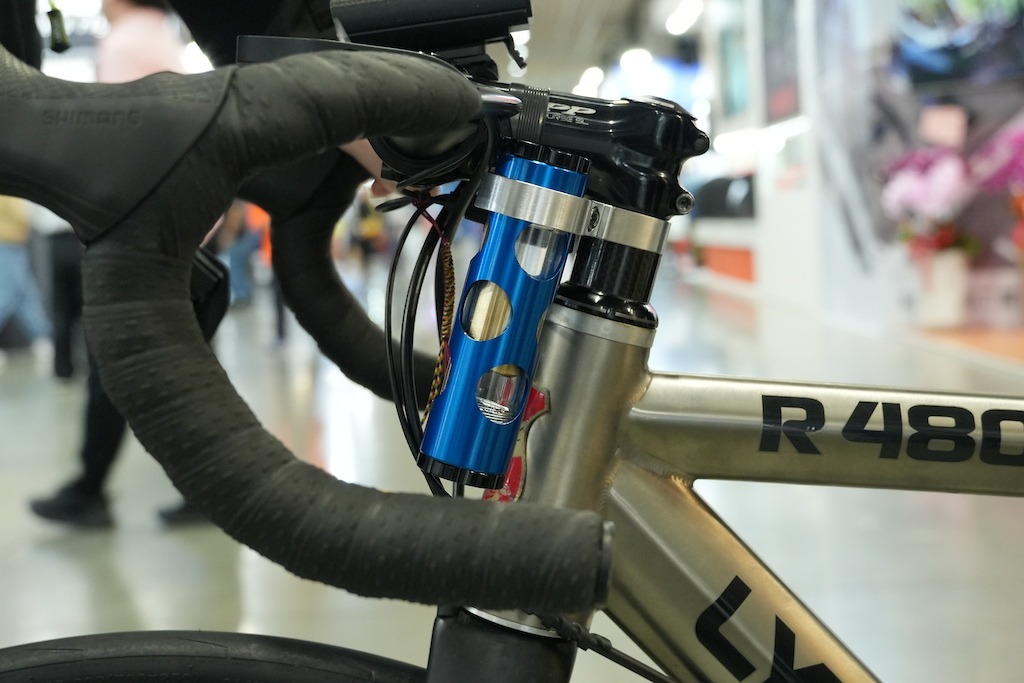
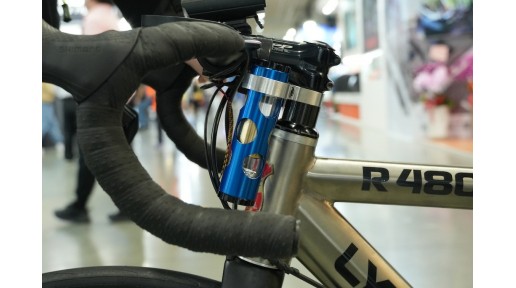
Enter the tuned mass damper (TMD). While aftermarket options designed to sit inside a fork's steerer tube have gained swift traction in gravity disciplines, OEM giant RST unveiled a radical new design at the Taipei Cycle Show. By abandoning traditional mechanical springs in favor of an innovative magnetic architecture, RST aims to change how mountain bike components handle harsh trail feedback.
The Evolution of Mass Dampers: Mechanical vs. Magnetic
To understand why the RST prototype is turning heads, it helps to understand how typical cycling mass dampers function. Existing systems on the market utilize a physical weight suspended between internal coil springs inside a sealed tube. When the front wheel encounters trail chatter, the weight moves in opposition to the incoming force, smoothing out energy spikes before they reach the rider's hands.
RST’s design fundamentally alters this configuration by swapping out the traditional mechanical springs.
The Wear-and-Tear Problem with Coil Springs
Traditional coil springs are inherently subject to mechanical fatigue. Over months of hard riding, the spring rate gradually degrades due to consistent, rapid compression cycles. Consequently, mechanical spring-based mass dampers function essentially as wear items that require periodic inspection, tuning, or total replacement to maintain peak performance.
The Magnetic Advantage
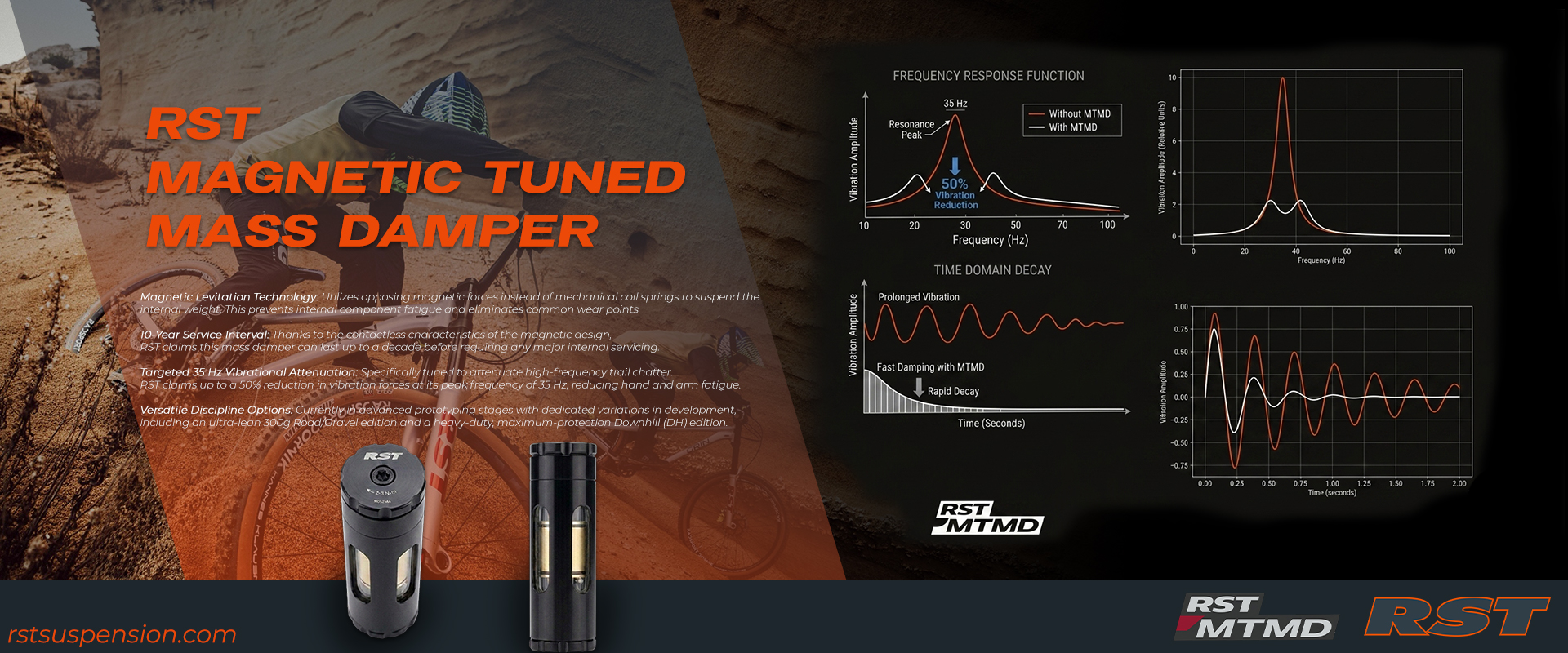
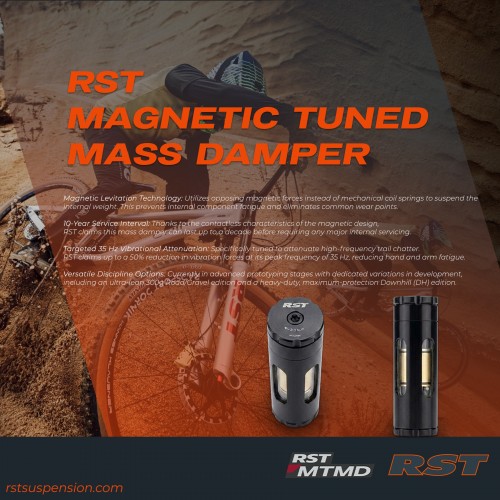
RST bypasses mechanical fatigue by positioning heavy-duty magnets at each end of the damper tube to suspend the internal weight. Because the system relies on magnetic fields rather than physical coils to resist and rebound the mass, there are no mechanical components to lose tension or sag over time. RST claims this breakthrough design vastly extends service intervals, projecting that the system can last up to 10 years before requiring maintenance.
Performance Claims: Can It Reduce Chatter by 50%?
RST isn't just offering a longer-lasting part; they have provided concrete metrics regarding its efficiency on the trail. Unlike several competing options that leave target frequencies vague, RST explicitly states the frequency range their component is engineered to attenuate.
- Target Frequency: The damper is fine-tuned to target high-frequency trail vibration, peaking at around 35 Hz.
- Vibration Attenuation: At this specific peak frequency, RST boldly claims the system can attenuate trail vibration by up to 50%.
A 50% reduction in high-frequency feedback at the handlebars translates to an immediately calmer front end. For riders tackling long downhill tracks or rugged enduro stages, this level of isolation preserves muscle freshness, protects grip stability, and allows for much higher precision when tracking through rough terrain.
What’s Next for RST's Vibration Technology?
While the models showcased at the Taipei Cycle Show are strictly functional prototypes and show-pieces, RST has ambitious plans for consumer deployment across multiple riding disciplines. The engineering team is actively developing multiple variations tailored to distinct ride characteristics:
Road and Gravel Configurations
Targeted heavily at taking the sting out of harsh gravel paths and uneven tarmac, the road-going version is highly weight-optimized, coming in at a claimed 300 grams.
Downhill (DH) Configurations
Built to handle the massive velocity and square-edged impacts of gravity racing, the DH version will feature a significantly heavier internal mass to counteract high-energy chassis deflection.
Final Thoughts
Though still in the development phase, RST’s shift toward magnet-based mass damping signals an exciting new direction for integrated bike suspension design. By engineering a solution that combats mechanical spring degradation while delivering a substantial 50% reduction in peak vibration, this tech could soon become a staple feature inside the steerer tubes of production mountain bike forks. Keep your eyes open for future ride tests as these prototypes edge closer to full production.
Pinkbike's video on the RST Mass Damper