










Convenient
Get it at your preferred time and place

Reliable
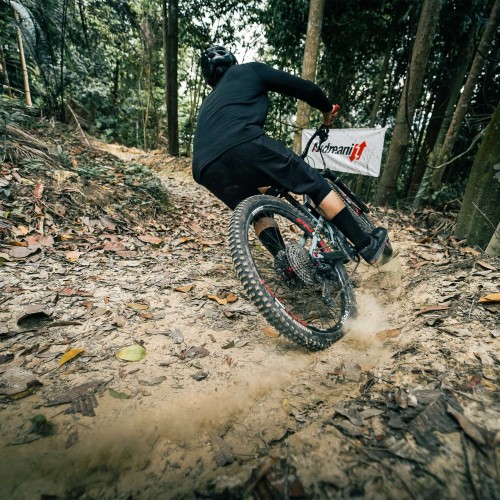
You’d get good quality wheelie from us

Active
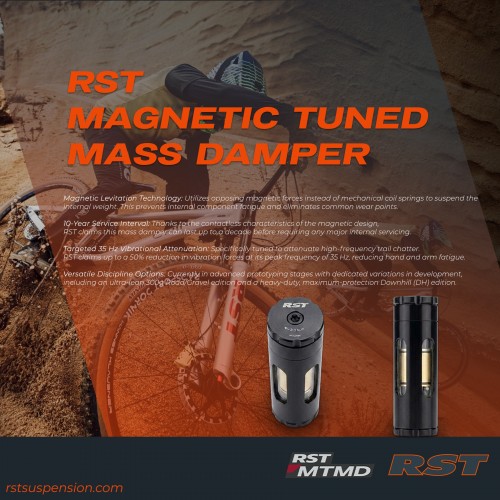
Just be active & alive
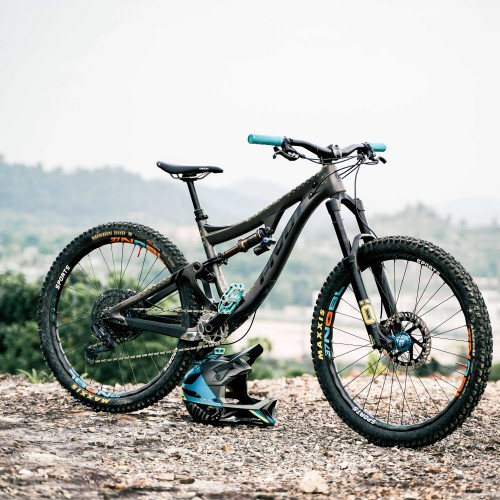
Welcome to Ecocana Sports, the leading mountain bike shop in Malaysia for premium mountain bike components. We specialize in carbon mountain bike components, electric full suspension bikes, and performance upgrades from brands like Magura, NOBL, and Onyx.
Blogs
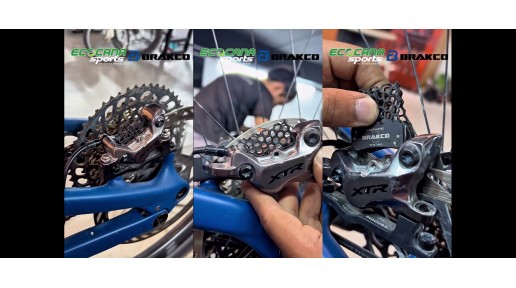
Brakco BPH43 Graphene Brake Pads: Cool Cooling Per..

儿童 MTB 教练课程:帮助年轻骑手自信征服陡坡..
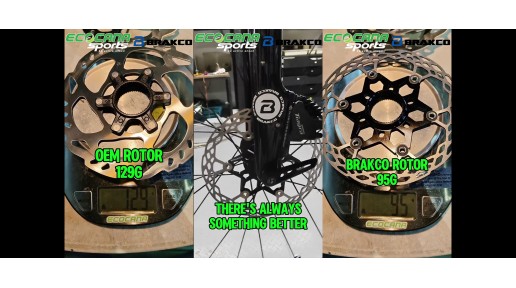
Lightweight Brake Rotors: Shed Grams Without Sacri..
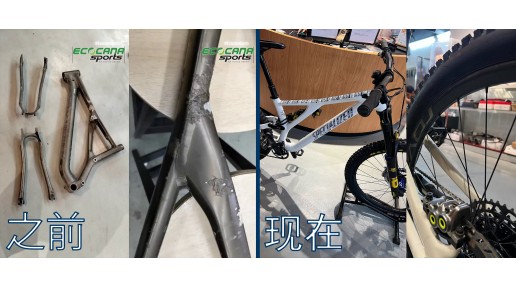
定制山地车车架翻新:让老款 Specialized 山地车焕发新生..
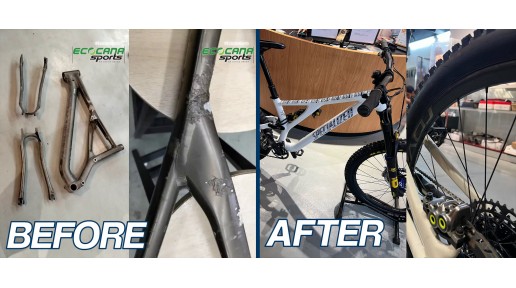
Custom MTB Frame Restoration: Giving an Old Specia..
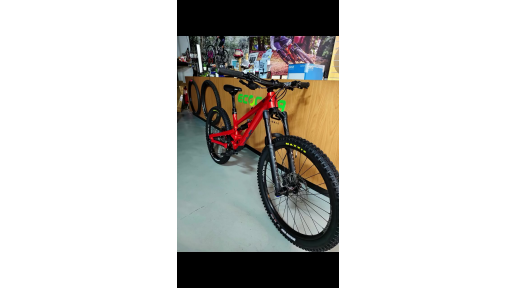
YT Jeffsy 24" Kids MTB Breakdown: High-Performance..
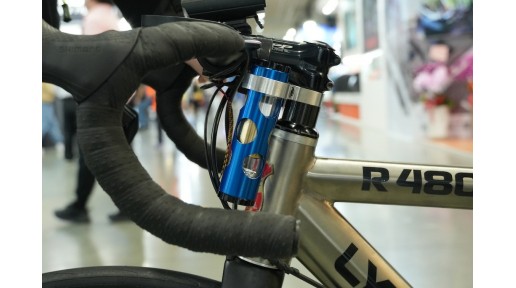
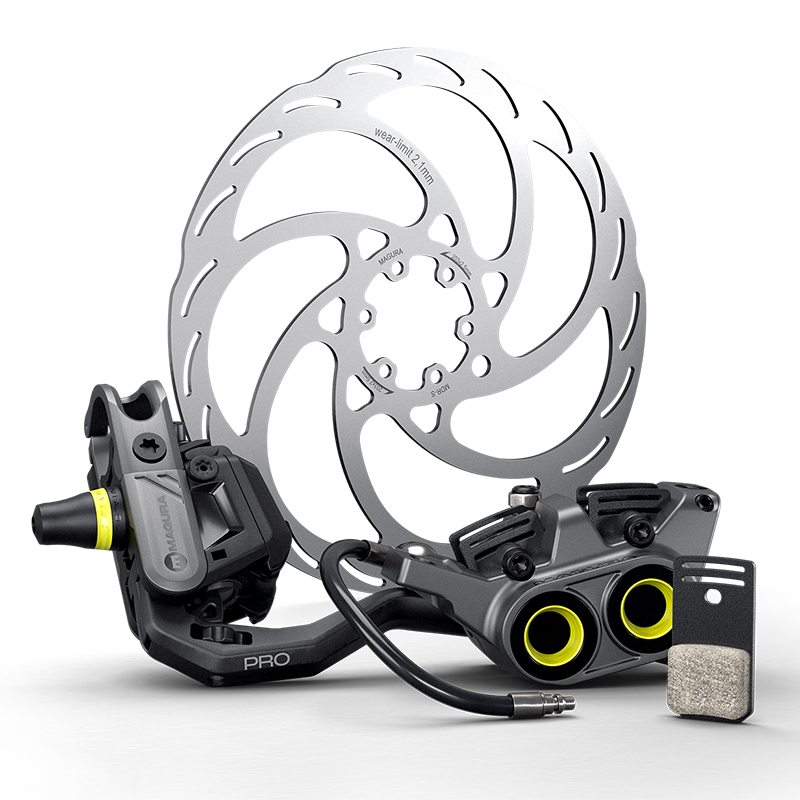
RST Magnet-Based Mass Damper: The Future of MTB Vi..

Junior MTB Progress: How Youth Mountain Bikers Bui..
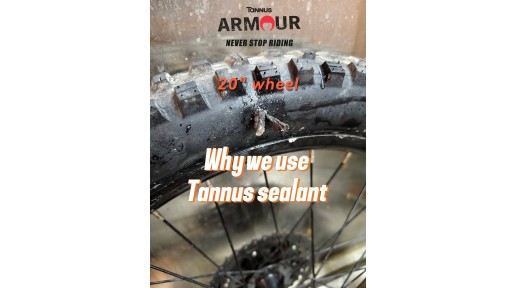
How to Fix a Sidewall Cut: Why We Use Tannus Seala..
Sidewall cuts are often considered the "death sentence" for a mountain bike tire. However, with the right equipment and a bit of technical know-how, even a significant gash doesn't have to mean the end of your ride—or your tire.
Dealing with Sidewall Cuts: Why High-Quality Sealant Matters
If you've spent enough time on technical trails, you've likely experienced the dreaded hiss of air escaping from a sidewall puncture. Unlike tread punctures, which are often small and easily plugged, sidewall cuts are under constant flex and pressure, making them notoriously difficult to seal.
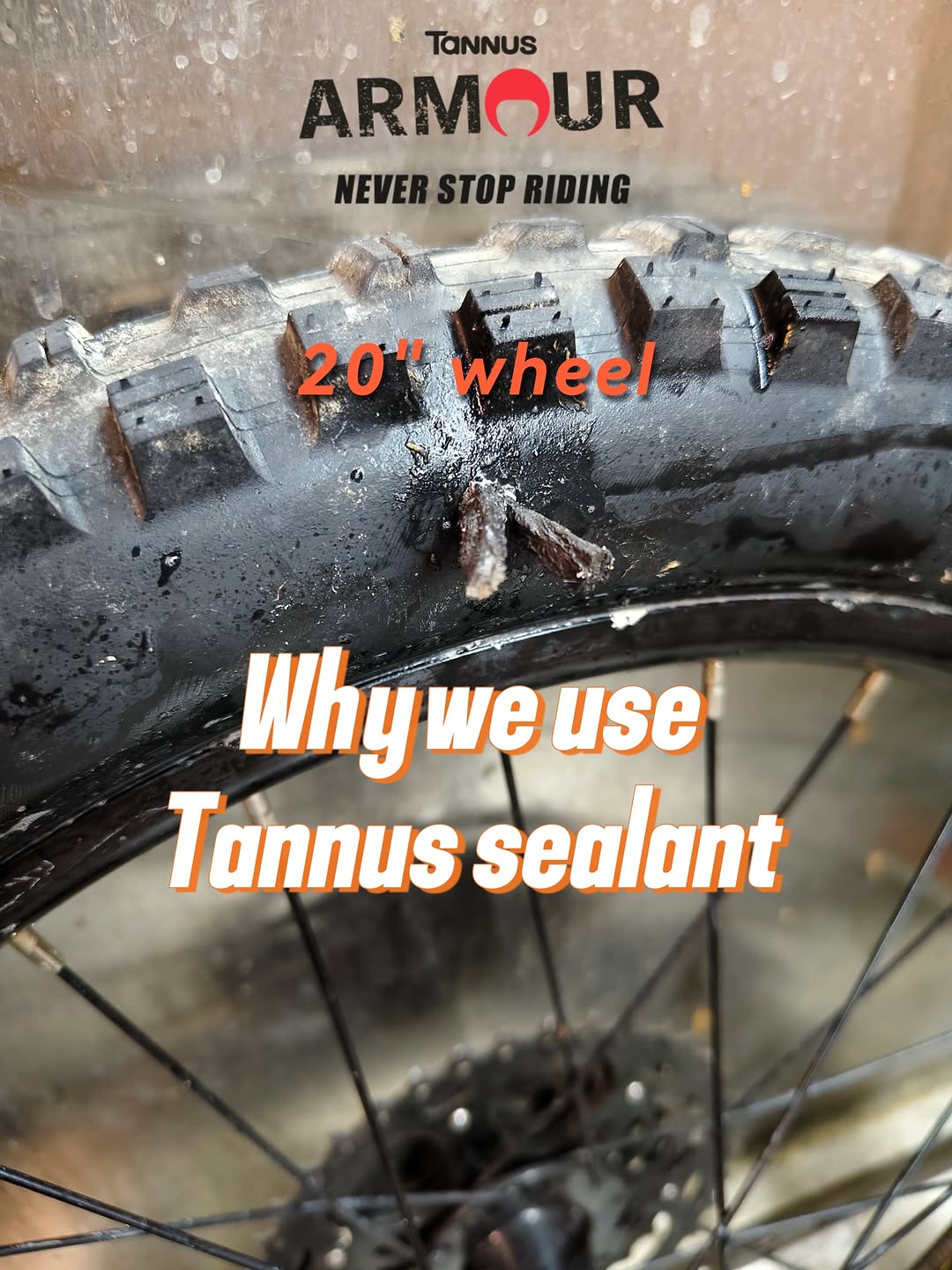
In our recent shop session, we tackled a particularly nasty sidewall cut on a 20-inch youth mountain bike wheel. Here is how high-performance sealant, specifically Tannus Sealant, turns a potential mechanical failure into a minor trailside blip.
Why Sidewall Cuts are a Challenge
The sidewall of a tire is much thinner than the tread area. It is designed to be supple to provide grip and comfort, but this makes it vulnerable to sharp rocks and debris. When a cut occurs here:
Constant Flexing: Every time the wheel rotates, the cut opens and closes, making it hard for traditional sealants to "bridge" the gap.
Lower Surface Area: There is less rubber for the sealant fibers to latch onto compared to a thick tread block.
The Tannus Sealant Advantage
In the case of this 20" wheel, we utilized Tannus Armour Sealant. The reason it succeeds where others fail lies in its formula.
1. High Fiber Concentration
Tannus uses a specific blend of fibers that act like a "web" over the puncture. When the air pressure pushes the sealant through a sidewall cut, these fibers tangle together to create a physical plug almost instantly.
2. Durability Under Pressure
Once the sealant cures over the cut, it remains flexible. This is crucial for sidewalls, as the plug needs to move with the tire casing without cracking or pulling away.
3. Effective for Junior Bikes
Small 20-inch wheels often run different pressures than adult rigs, and youth riders can be surprisingly hard on their equipment. Having a reliable sealant means parents don't have to worry about a "walk of shame" out of the woods every time a sharp rock appears.
How to Handle a Sidewall Cut on the Trail
If you suffer a cut while riding, follow these steps to give your sealant the best chance to work:
Rotate the Hole Down: Immediately stop and rotate the wheel so the cut is at the bottom. This allows the sealant to pool over the puncture.
Shake the Wheel: Give the wheel a gentle side-to-side shake to ensure the fibers in the sealant are well-distributed over the gap.
Check the Pressure: Once the hissing stops, check your tire pressure. You may need to add a bit of air, but don't over-inflate immediately; let the plug set for a minute.
Conclusion: Don't Let a Cut Stop the Ride
A sidewall cut on a 20” bike—or any bike—doesn't have to be the end of the day. By using a premium sealant like Tannus, you’re investing in "ride insurance." It’s the difference between a 30-second pause and a ruined afternoon.